
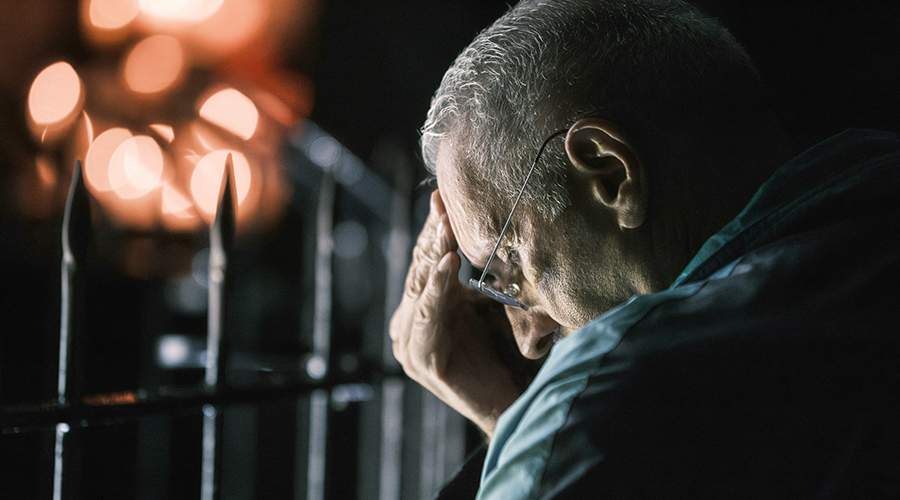
The virtue of longsuffering can be difficult to understand, especially when we try to find practical ways to live it out in daily life. No one enjoys suffering. It was not part of God’s original plan. However, when sin entered the world, the harmony God created was disrupted. Since that time, suffering has remained part of the human experience.
How, then, do we endure suffering and strive to practice virtue in the midst of our trials? There are several truths we can remember that may help us. The following points are not exhaustive, but they may offer guidance and encouragement.
This life and this world are only a preparation for the world to come. In that new creation, there will be no suffering, sadness, illness, or evil. Whatever we experience in this life is temporary.
While not all suffering is the result of personal sin, sin itself does bring suffering into the world. Avoiding sin and sincerely repenting for our sins can help relieve it.
“God so loved the world that He gave His only Son, so that those who believe in Him might have eternal life.” (John 3:16). God desires every person to be with Him forever, so much so that the Son, the Second Person of the Trinity, took on a human nature and suffered unspeakably on the cross to atone for our sins.
With God’s grace, we are capable of enduring trials and offering them in union with the sufferings of Jesus. When we do this, God can bring spiritual benefit not only to ourselves, but also to those we love and even to people we may never meet. We may also offer prayers and sacrifices for the faithful departed.
Even when we cannot understand it, God has a plan for the world and for every human life. Everything that happens, including suffering, fits into that plan somehow. If we maintain an earthly view, this may seem impossible to understand. But if we keep our eyes fixed on the world to come, we will see that God’s plan is being carried out in everything we experience.
We may sometimes think that life would be easier if God governed the world according to our wishes. Yet our understanding is limited and cannot account for history, circumstances, and the interplay of human activity, including how we suffer.
Perhaps the most practical thing we can remember is a saying often attributed to St. Augustine: “God is God and I am not God.” Although His original plan did not include human suffering, His plan after human sin allows for suffering and will use it in His overall plan. We don’t have to enjoy suffering. We are called to trust that it has meaning and purpose within God’s greater plan.